Featured
Fascination About How Top Providers Differ from the Industry
Indicators on Questions to Ask Prior to Enrolling You Sho...

The Real Expense of Neglecting Financial Debt: How Professional Therapy Solutions Are Altering Financial Recovery
Table of Contents
Economic anxiety has actually become a specifying characteristic of modern-day American life. With complete bank card debt exceeding $1.21 trillion and the typical cardholder owing even more than $6,500, numerous people find themselves entraped in cycles of minimal settlements and worsening passion. When credit card rate of interest float around 23%, also modest equilibriums can swell right into overwhelming burdens within months.
For those drowning in the red, the question isn't whether to look for assistance-- it's discovering the best kind of help that will not make matters worse.
The Growing Need for Financial Obligation Mercy Solutions
Financial obligation mercy has emerged as among one of the most browsed financial topics on the internet, and forever reason. The concept of settling financial debts for less than the sum total owed deals real wish to people that see no reasonable path to paying their equilibriums completely.
The process commonly functions such as this: when credit report card accounts go unsettled for 120 days or even more, creditors often charge off the financial debt. At this phase, they may accept decreased settlements to recover at the very least a portion of what's owed. Successful arrangements can reduce balances by 30% to 50%, depending upon the lender and your demonstrated financial hardship.
Financial obligation mercy isn't complimentary cash. Cleared up accounts show up on debt records as "" paid less than complete equilibrium,"" which influences your score. In addition, forgiven quantities surpassing $600 might be reported to the IRS as gross income. Recognizing these compromises before going after negotiation is important.
Personal bankruptcy Therapy: The Misunderstood Safeguard
Personal bankruptcy lugs considerable preconception, yet it remains a legitimate legal tool designed to give overloaded individuals a genuine clean slate. What lots of people don't know is that government legislation calls for 2 counseling sessions prior to and after filing-- and these sessions exist specifically to ensure you're making an informed choice.
Pre-bankruptcy credit score counseling includes an extensive review of your earnings, financial obligations, and costs. Qualified counselors existing options you may not have actually considered, consisting of debt management programs or hardship arrangements. This isn't concerning inhibiting personal bankruptcy; it has to do with confirming it's truly your ideal option.

Post-bankruptcy debtor education and learning prepares you for economic success after discharge. You'll find out budgeting strategies, saving strategies, and credit scores restoring approaches created to stop future economic troubles.
Organisations like APFSC deal both required training courses, with fees around $19.99 per session unless you receive hardship waivers. Their licensed therapists supply same-day certificates, and sessions normally run 60 to 90 minutes. This availability matters when you're currently worried about financial resources.
Comparing Your Debt Relief Options
Recognizing the landscape of debt relief assists you make educated decisions. Each method lugs unique benefits and downsides.
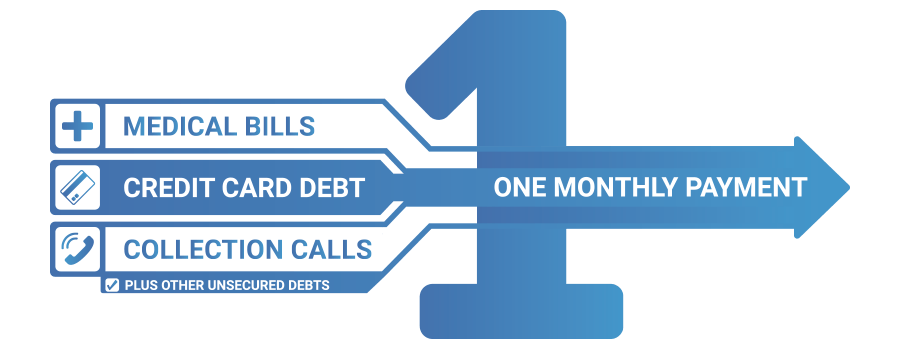
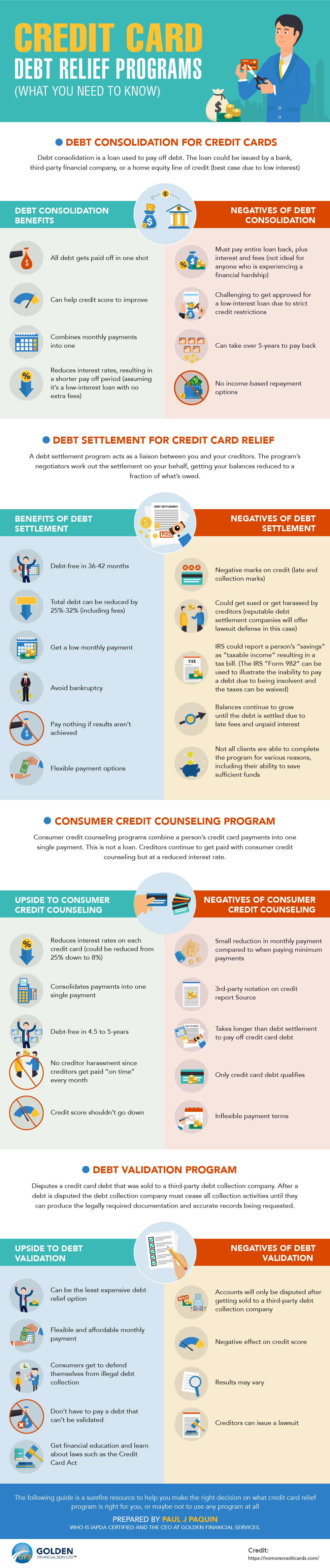
Financial Debt Monitoring Programs settle numerous unsafe financial obligations right into solitary monthly repayments. Therapists bargain with financial institutions to potentially lower rates of interest without requiring brand-new finances. The majority of clients complete these programs within 3 to five years. The primary advantage is paying debts completely while minimizing total rate of interest paid.
Financial obligation Negotiation works out decreased benefit amounts, typically 30% to 50% less than owed. This strategy needs stopping settlements to lenders while collecting negotiation funds, which damages credit history during the procedure. Outcomes vary based on lender readiness and your demonstrated challenge.
Insolvency supplies court defense while removing or restructuring financial obligations. Phase 7 liquidates particular possessions to discharge unsecured financial debts promptly. Chapter 13 develops three-to-five-year repayment prepare for those with regular income. Personal bankruptcy stays on credit history reports for 7 to ten years however supplies one of the most thorough new beginning.
Credit Therapy gives education and assistance without necessarily signing up in official programs. Licensed therapists review your total financial photo and suggest proper next steps, which may consist of any of the above choices.
What Establishes Nonprofit Counseling Apart
The difference between not-for-profit and for-profit financial debt alleviation business matters tremendously. Not-for-profit companies like those licensed by the National Structure for Credit Rating Therapy (NFCC) operate under stringent ethical guidelines and fee guidelines. Their therapists go through strenuous qualification and needs to recertify every 2 years.
For-profit financial obligation negotiation business, conversely, may charge fees ranging from 15% to 25% of registered financial obligation equilibriums. Some use aggressive sales techniques and make unrealistic assurances regarding outcomes. The Customer Financial Protection Bureau has actually recorded numerous problems about aggressive methods in this market.
APFSC operates as a not-for-profit counseling firm, providing free financial debt administration consultations and controlled fees for continuous solutions. Their HUD-approved housing therapists include worth for those dealing with repossession alongside general financial debt problems. Services are available in English, Spanish, and Portuguese, increasing availability to underserved neighborhoods.
Study supports the effectiveness of nonprofit therapy. A study commissioned by the NFCC found that credit scores therapy clients minimized rotating financial debt by $3,600 even more than contrast teams throughout the 18 months following their sessions. Almost 70% of individuals reported improved money administration and better monetary confidence.
Indication of Predative Debt Relief Services
Not all debt relief firms have your best rate of interests in mind. Recognising red flags safeguards you from making a tight spot worse.
Be mindful of business that assure details results. No genuine solution can assure exact negotiation percentages or timeline guarantees due to the fact that results rely on specific financial institutions and scenarios.
Prevent any kind of firm demanding large upfront costs before providing services. Legit not-for-profit therapy offers free first consultations, and for-profit settlement companies are lawfully prohibited from accumulating fees until they effectively work out at the very least one debt.
Inquiry any person suggesting you to stop connecting with financial institutions totally without explaining the consequences. While calculated communication pauses sometimes support arrangements, full avoidance can result in legal actions, wage garnishment, and additional damages.
Reputable agencies explain all options truthfully, consisting of choices that could not involve their paid solutions. If a business pushes just one solution despite your scenario, seek advice in other places.
Taking the Very First Step Toward Healing
Financial healing begins with straightforward evaluation. Collect your latest statements for all financial debts, determine your complete responsibilities, and evaluate your sensible monthly repayment capability. This information creates the foundation for any kind of productive counseling session.
Consider scheduling free examinations with several nonprofit firms prior to dedicating to any type of program. Compare their recommendations, fee frameworks, and interaction designs. The right therapy connection need to feel encouraging instead of pressing.
Organisations like APFSC use on-line conversation, phone appointments, and comprehensive intake processes designed to comprehend your one-of-a-kind circumstance prior to recommending solutions. Their financial debt monitoring calculator helps you think of potential timelines and financial savings prior to signing up.
The Course Forward
Frustrating financial obligation doesn't specify your future-- however disregarding it will. Whether financial obligation forgiveness, personal bankruptcy counseling, or structured financial obligation administration makes sense for your circumstance depends on elements distinct to your conditions.
Expert guidance from accredited not-for-profit therapists brightens choices you might never ever discover separately. These services exist specifically to assist individuals like you navigate intricate financial challenges without predatory fees or unrealistic pledges.
The average American struggling with debt waits far as well long prior to seeking help, allowing interest to substance and options to narrow. Each month of hold-up costs money and extends your healing timeline.
How Housing Counselors Coordinate with Rental Assistance and Utility Relief ProgramsYour initial discussion with a qualified therapist expenses nothing however can alter every little thing. Financial flexibility isn't booked for the fortunate-- it's readily available to any person ready to take that preliminary action toward recognizing their options and devoting to a reasonable plan.

Latest Posts

Fascination About How Top Providers Differ from the Industry
Hidden Charges to Avoid for Beginners

Indicators on Questions to Ask Prior to Enrolling You Should Know